bed bug droppings

Bed bug droppings: how to recognize them?

piqûre de punaise de lit

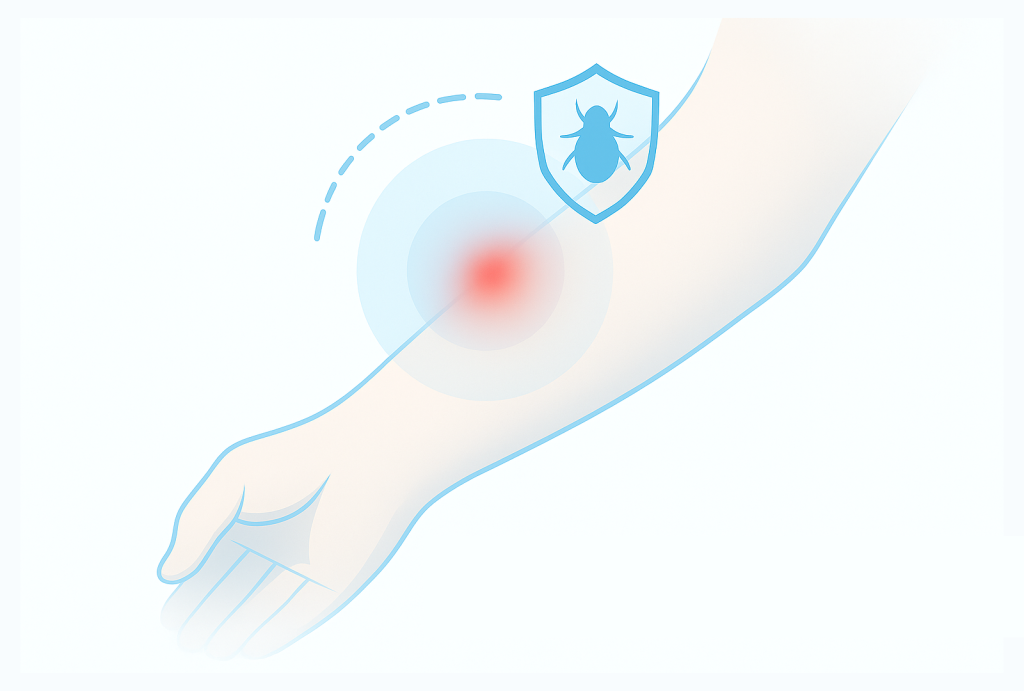
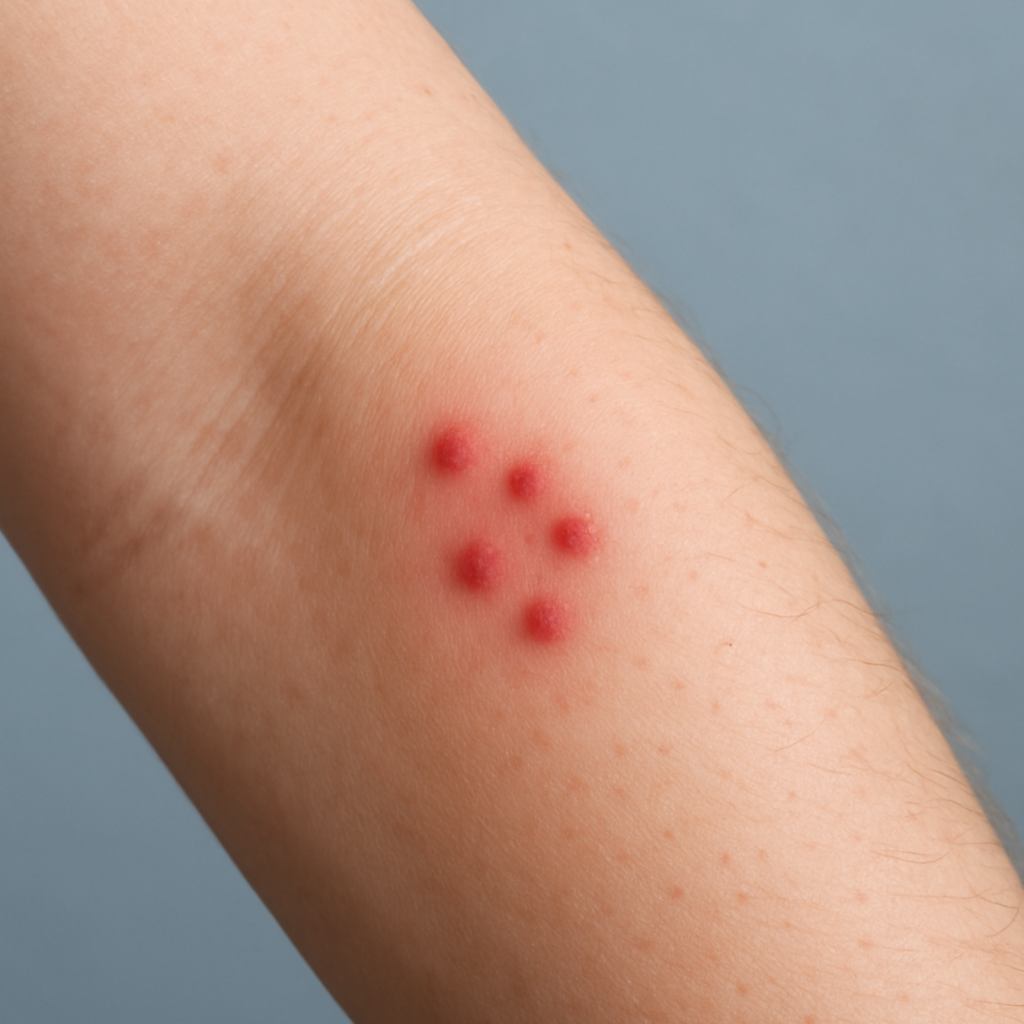
Bed bug bites: how to spot and recognize them?

How to check your room for bed bugs and recognize them?

vérifier sa chambre pour éviter les punaises de lit

Bed bugs while traveling: how to inspect your accommodation?

Professionnel Punaise de Lit

When should you call a bed bug professional?

Guide to dealing with bed bugs

punaises de lit

Why this guide on bed bugs?

Bed bugs (Cimex lectularius) are small, nocturnal, blood-feeding insects that are difficult to detect. They do not transmit any known diseases, but their bites cause significant itching and have a noticeable psychological impact.

They are a growing problem worldwide. They can affect sleep, mental health, and cause skin reactions. This comprehensive guide helps you recognize, prevent, and respond to bed bugs with scientific information, practical advice, and easy-to-apply methods.

What is a bed bug?

Bed bugs feed on human blood. They are very discreet and must remain invisible and inaccessible in order to survive. Experts at finding perfect hiding places, bed bugs can have a significant impact on people’s health and quality of life.

General description of a bed bug

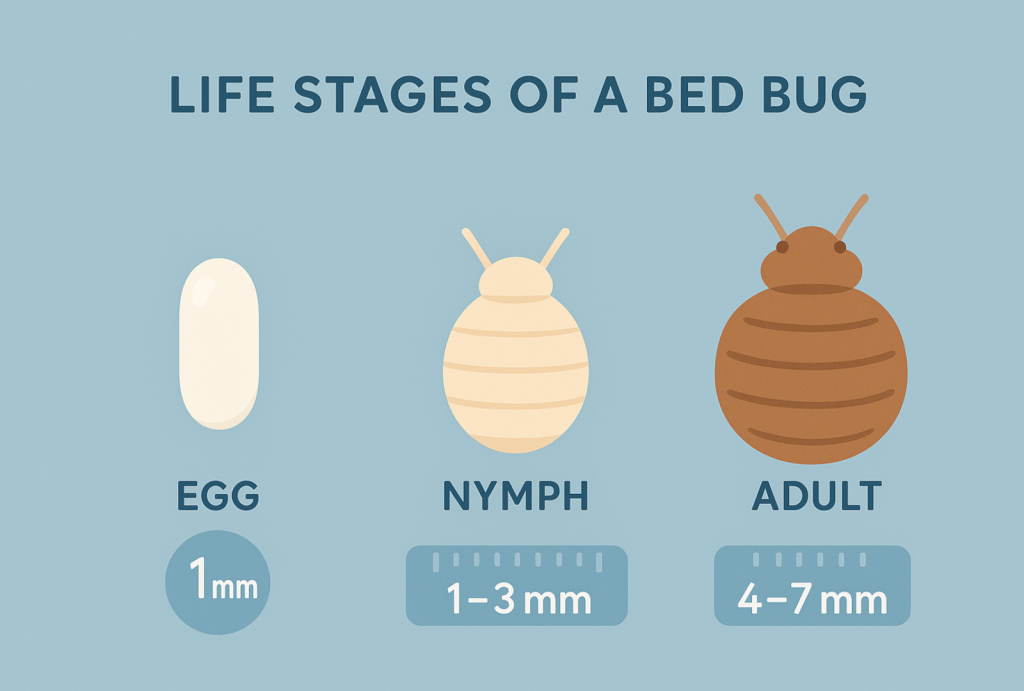
  • Size: 4 to 7 mm, equivalent to a flattened apple seed.
  • Shape: oval, flattened, brownish when fasting, dark red after a meal.
  • Movement: they crawl quickly but do not jump or fly.
  • Behavior: active at night, attracted to body heat and CO₂.
  • Lifespan: 5 to 6 months on average; more than a year without eating in dormancy.

Eggs

  • White, translucent
  • The size of a pinhead
  • Grouped together in clusters in narrow hiding places
  • Hatch after 10 to 14 days
bed bugs
ÉlémentSizeColorDistinctive feature
Adult4–7 mm (1/4–3/8 inch)Brown → redDon’t jump, don’t fly
Nymph1–3 mm ( 0.4–1.2 inches)TranslucentTurns brown after meals
Eggs1 mmWhiteClustered, very discreet

Knowing how to recognize them is essential, and acting quickly allows you to effectively prevent and control bed bug infestations.

chinches

How to recognize the signs of infestation?

Identifying the early signs of a bed bug infestation is one of the best defenses you can have. These discreet, nocturnal insects leave behind characteristic traces that often appear long before the infestation becomes visible or the bites multiply. By learning to recognize these early signs, you can act quickly, prevent the infestation from spreading to other rooms, and limit the cost of subsequent treatment.

Signs on the skin (indirect)

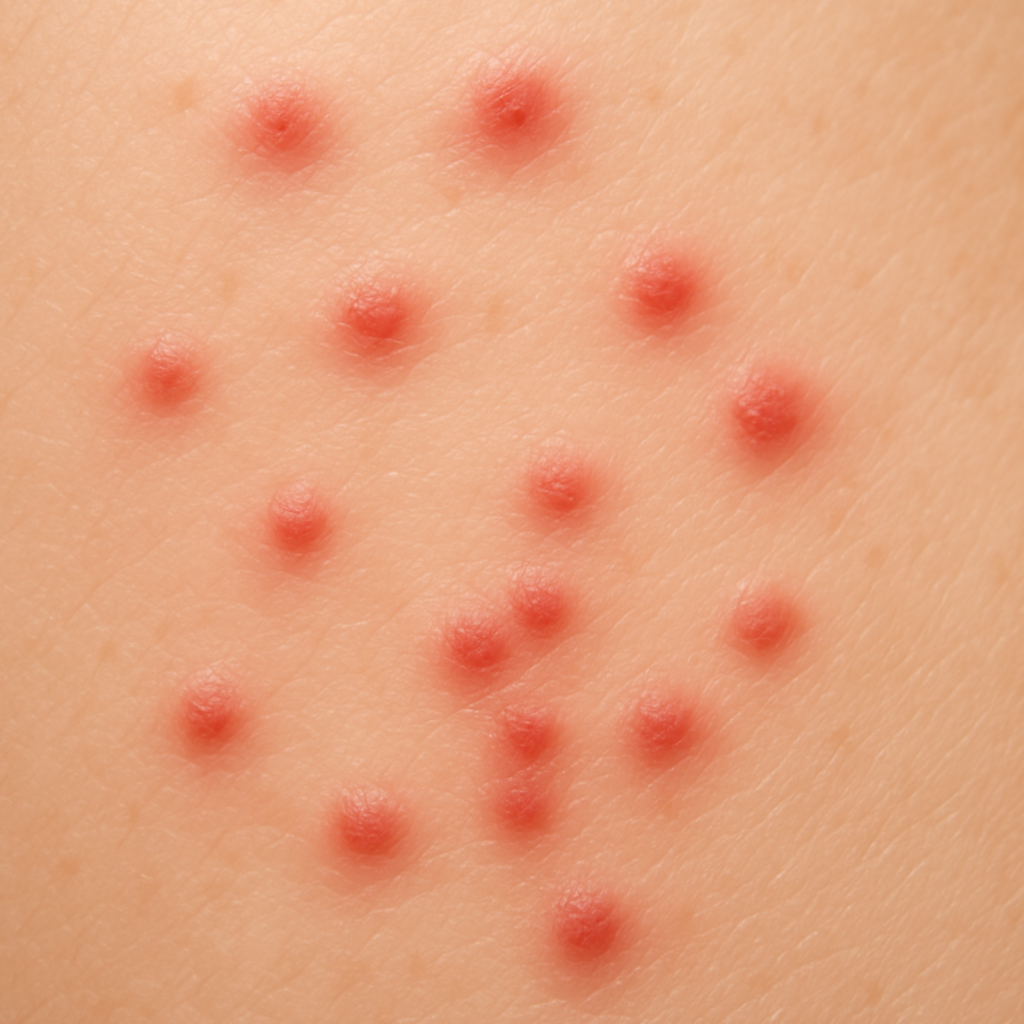
  • Small red bumps
  • Rows of 3 to 5 bites
  • Areas exposed at night (arms, legs, neck)
  • Itching, sometimes delayed

Signs visible in the bed (direct)

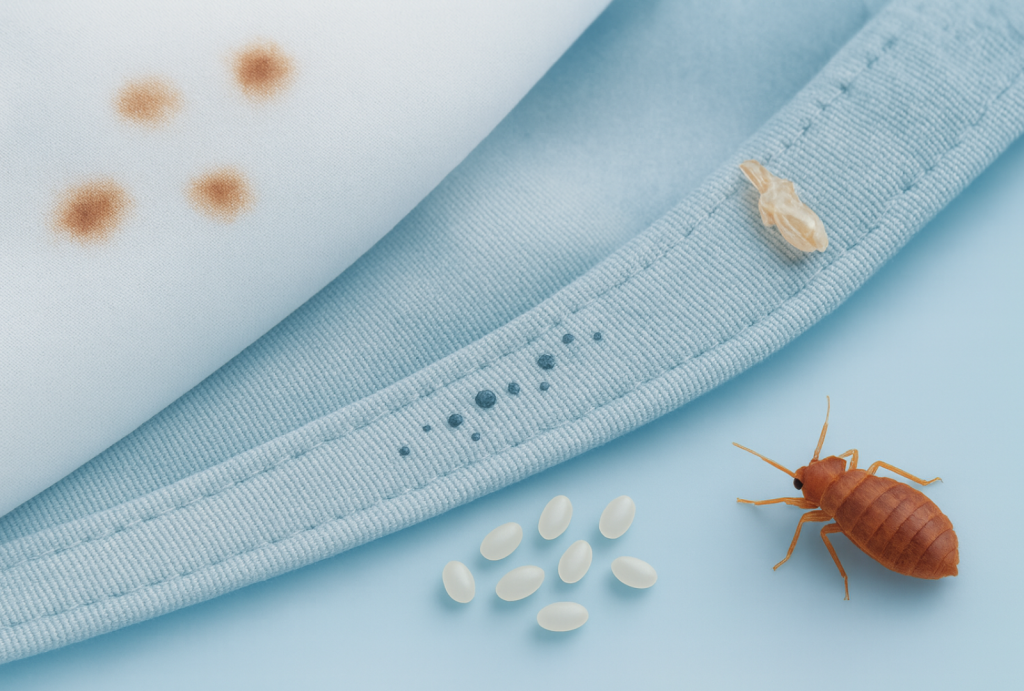
  • Black droppings resembling dried ink
  • Blood stains on sheets
  • Translucent molted skins
  • Live or dead bed bugs

Bed bugs do not appear overnight: they follow a specific cycle, reproduce gradually, and initially occupy very localized areas around the bed. This means that a trained eye can detect their presence at a very early stage, when simple measures are still sufficient to control the situation.

Contrary to popular belief, early detection does not require technical skills: you just need to look for a few key signs—black spots, small red marks, whitish eggs, or clusters of dots. These signs are not always alarming when taken individually, but when they appear repeatedly or in clusters, they are a reliable indicator.

Being vigilant is not stressful: it’s simply a matter of knowing where to look, what to look for, and how to interpret the clues. By adopting a simple and quick inspection routine, you can prevent an infestation before it becomes significant.

In summary

Observed signReliabilityExplanation
Clusters of blackheads⭐⭐⭐⭐⭐Bed bug droppings, the most reliable sign
Aligned buttons⭐⭐⭐⭐Typical skin reaction
Sweet smell⭐⭐⭐Only present in heavy infestations
Live bedbugs⭐⭐⭐⭐⭐Conclusive evidence
punaise de lit en voyage

Where do bedbugs really hide?

Bed bugs prefer narrow, dark spaces close to where people sleep. It is recommended that you carry out a quick inspection:

In their common hiding places:

  • Mattress seams
  • Bed base, slats, corners
  • Headboard, cracks, screws
  • Bedside tables, drawers
  • Skirting boards, wall frames
  • Curtains, carpets
  • Electronic devices near the bed

You can also inspect:

  • Behind baseboard heaters
  • Electrical outlets and switches
  • Under the floorboards or behind the wallpaper

The priority areas to be inspected

Area to be inspectedTypical signs
Mattress / seams / bed baseBlack spots (feces), white eggs (1 mm), transparent molts, live bugs
Headboard / frameCracks, splinters, screws, fissures, black marks
Couch / armchairsStitching, pleats, cushion bottoms
Curtains / thick fabricsHems, folds, pleats, fasteners
Personal luggageSeams, pockets, closures, linings

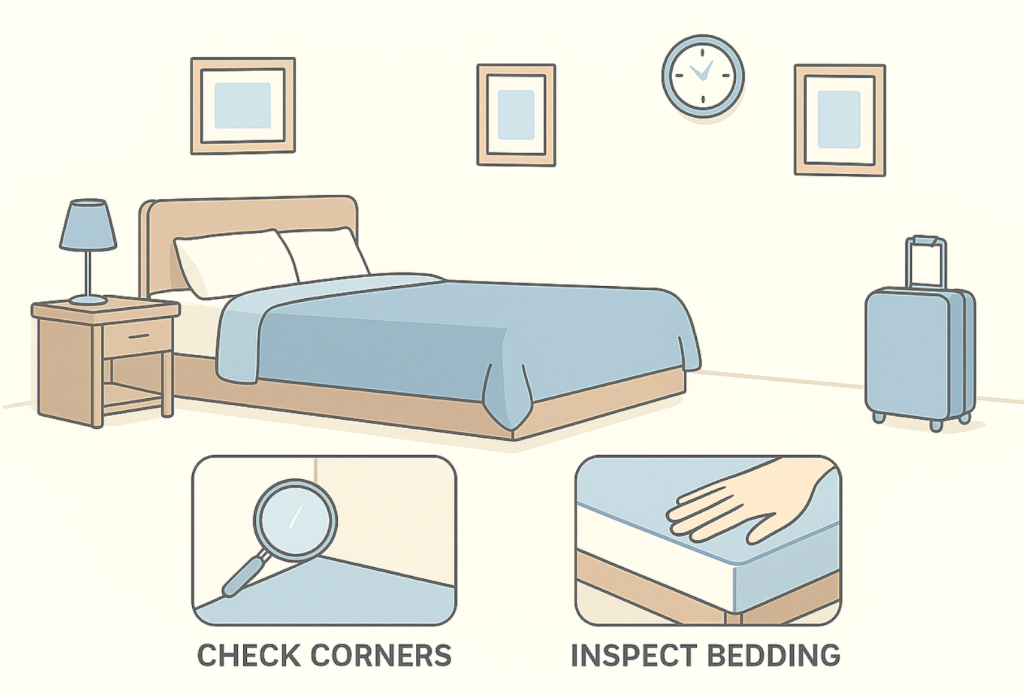
How to inspect your room (home & travel)?

Regular inspection significantly reduces risks.

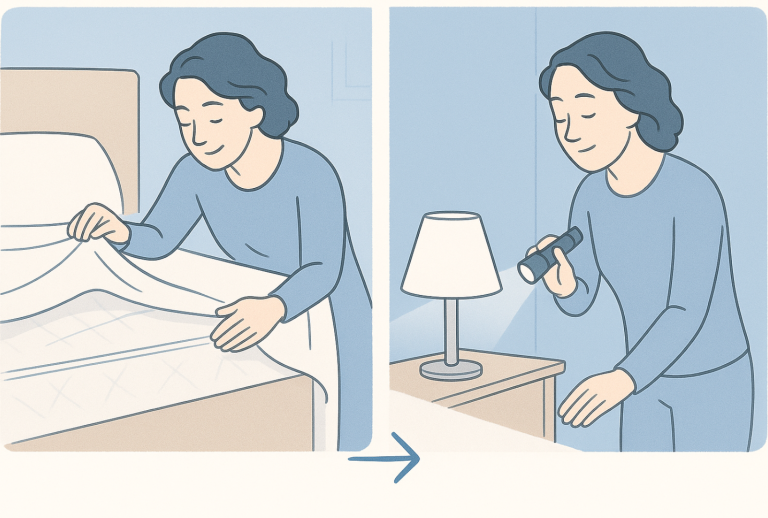
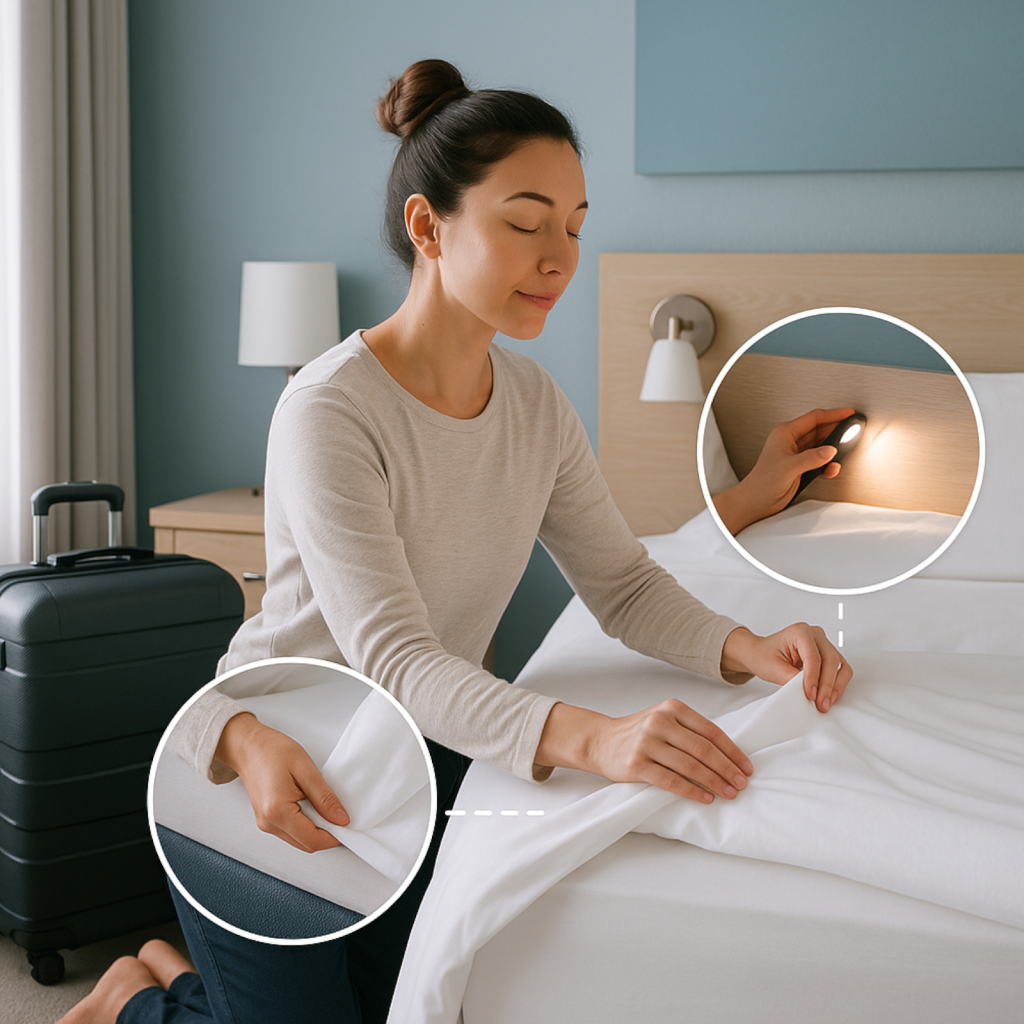
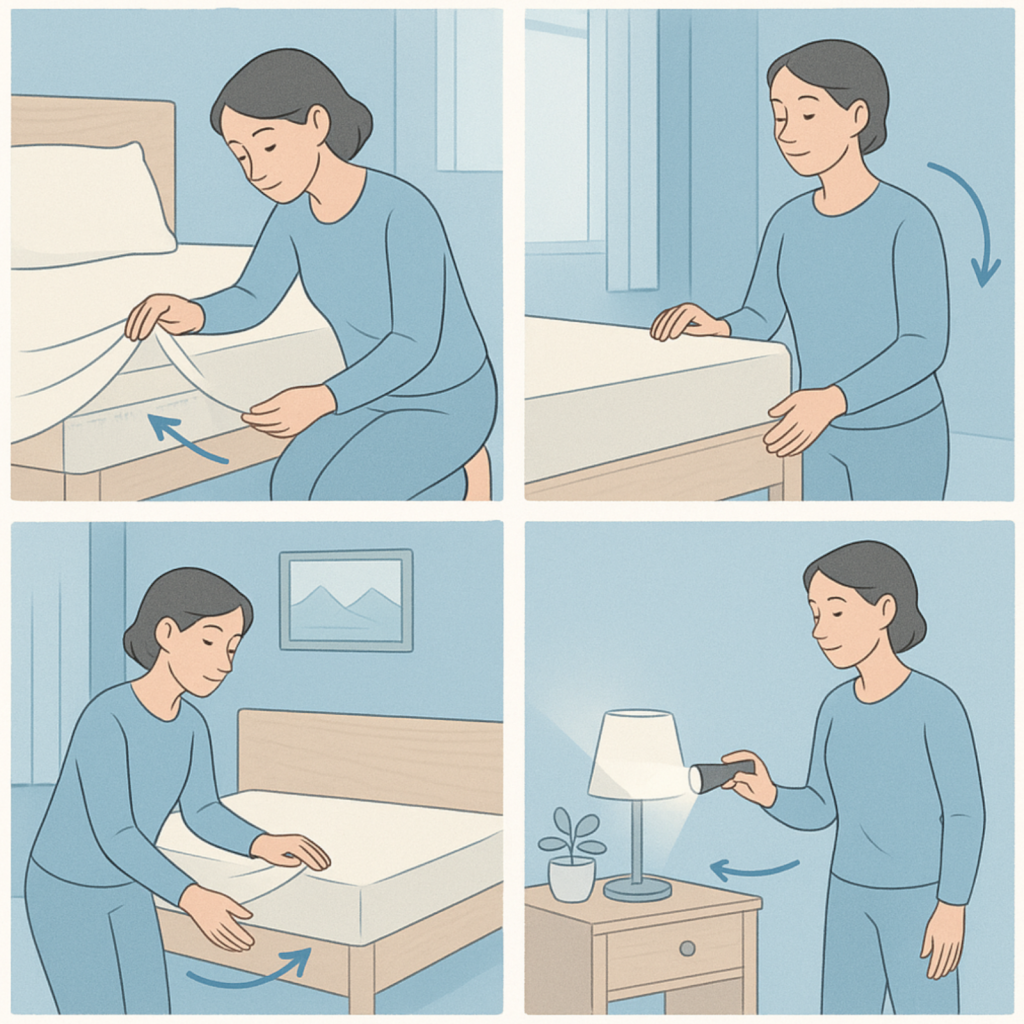
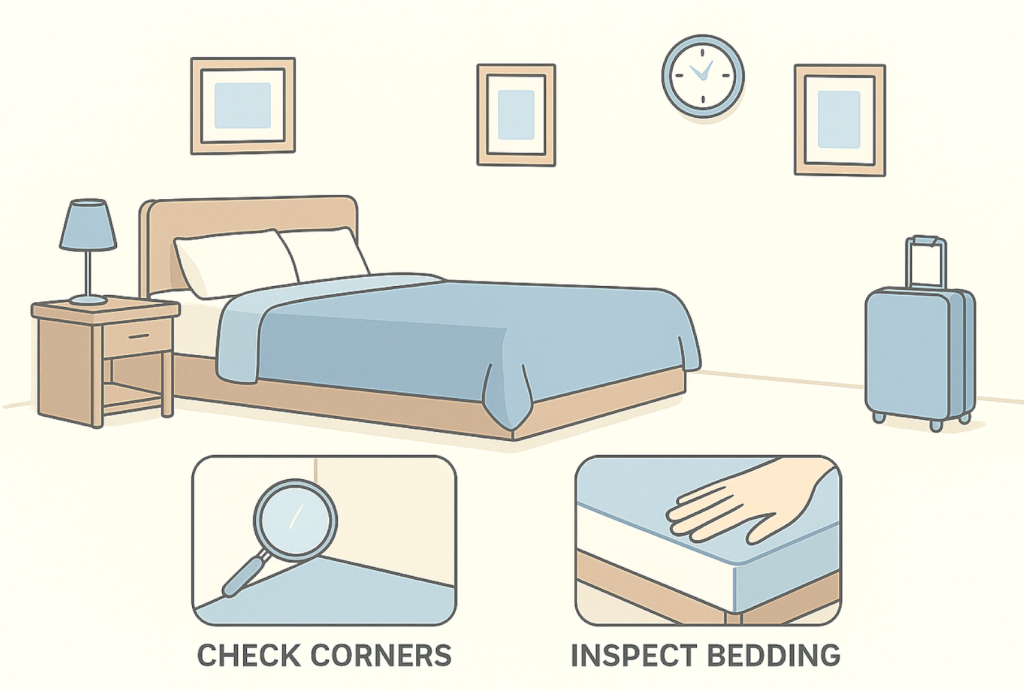
Simple inspection (30 seconds)

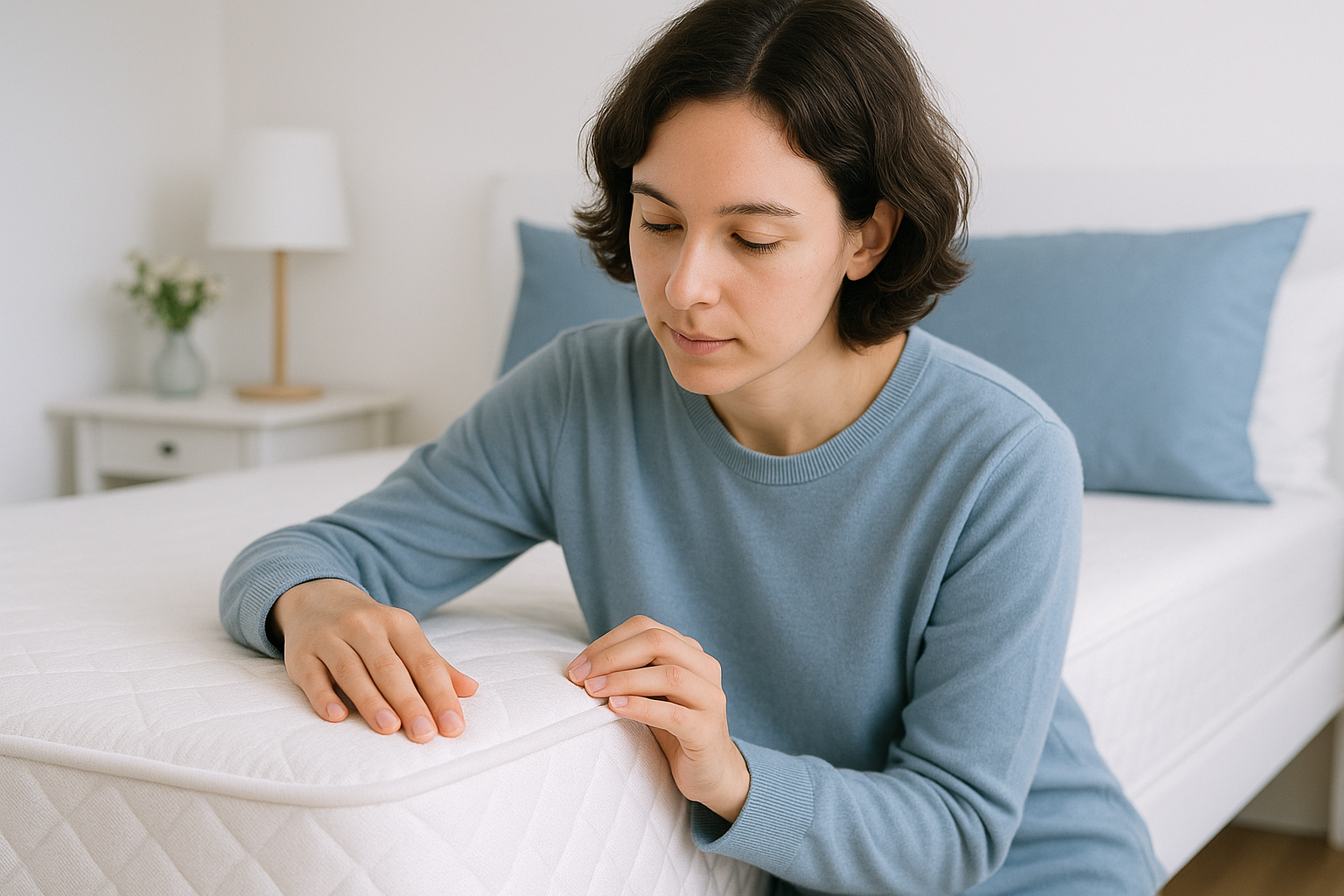
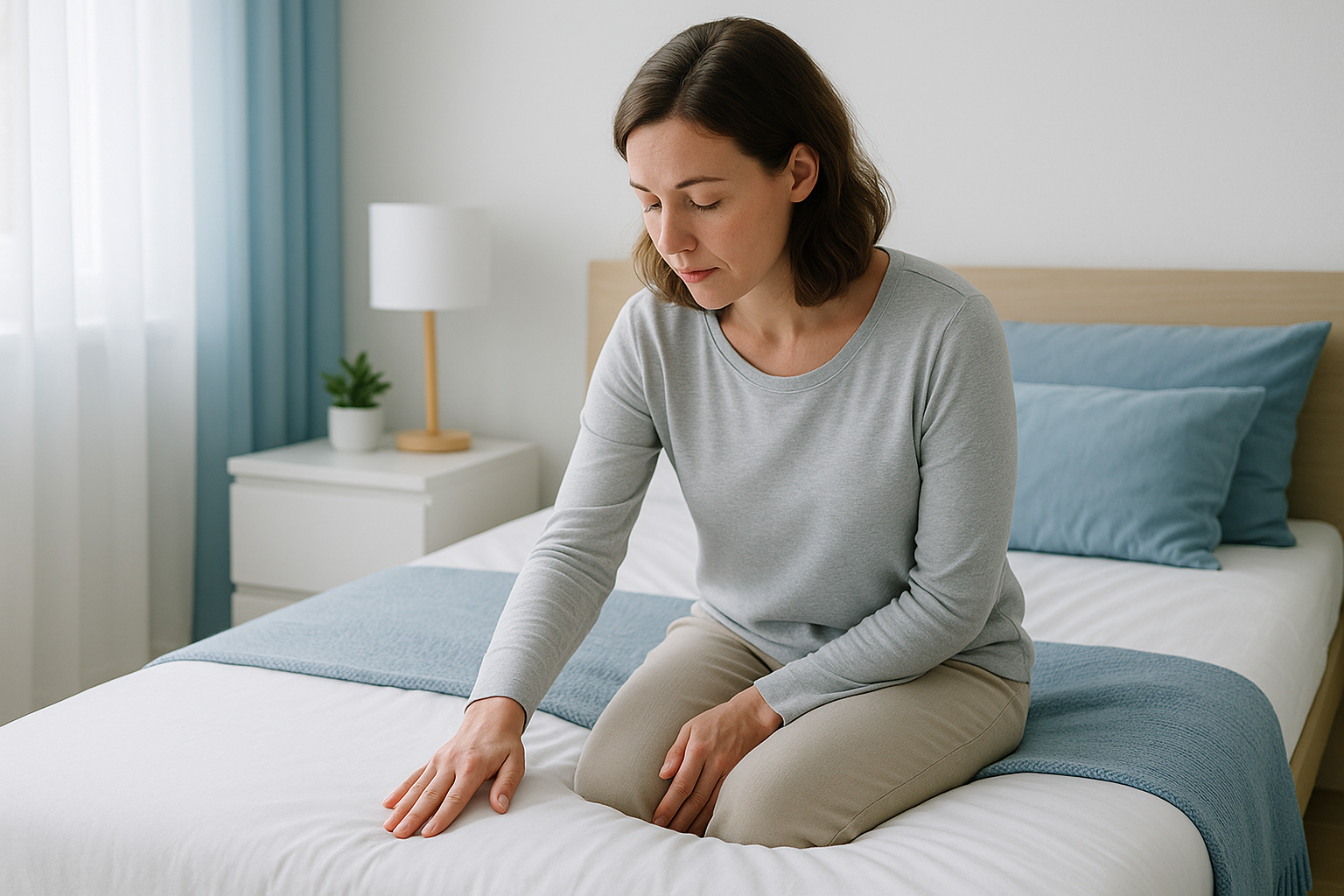
  • Lift the sheet: look at the seams of the mattress.
  • Examine the four corners of the bed frame.
  • Shine a light behind the headboard.
  • Quickly check the bedside table.

Total time: 20 to 30 seconds, which is more than enough to spot any visible signs.

Advanced inspection (home)

  • Look at the baseboards and furniture.
  • Inspect the curtains, frames, and cracks.

Check the underside of the mattress and box spring.

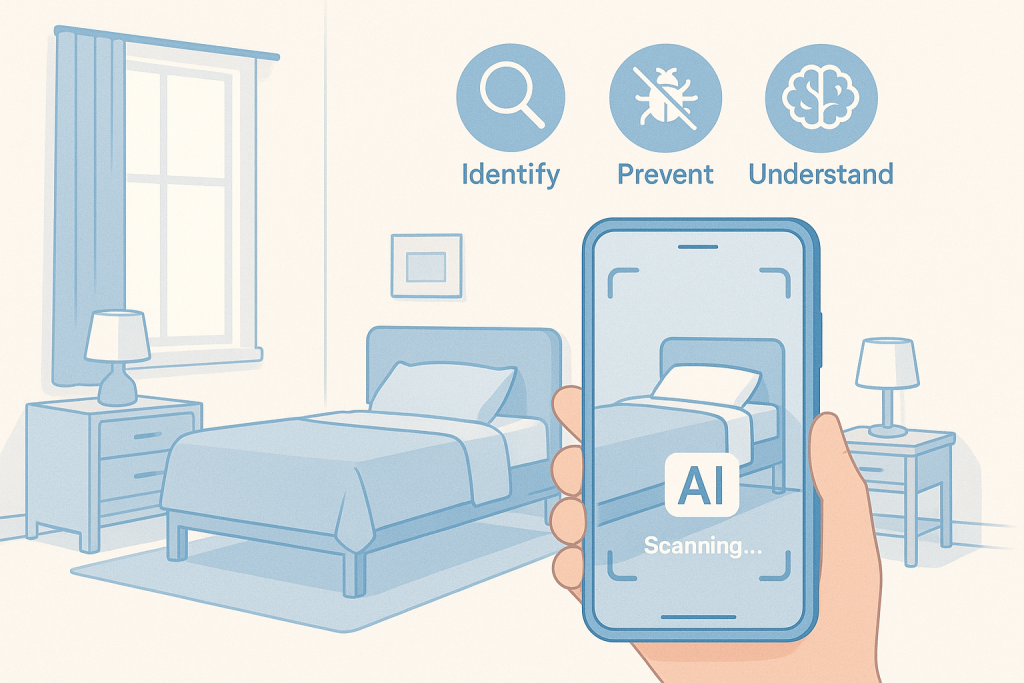
What is an AI app for identifying bed bugs?

It is a mobile application that uses artificial intelligence to analyze a photo (stain, insect, suspicious mark) and indicate whether it resembles a bedbug, excrement, or another common item.

Can the app confirm an infestation 100%?

No. The app provides assistance with identification and reassurance, but it does not replace a professional diagnosis. Above all, it helps to reduce doubts and guide initial actions.

These apps are useful for:

  • individuals who want to check something out without panicking,
  • travelers after staying at a hotel or Airbnb,
  • students in residence halls,
  • anyone who wants a quick initial assessment before considering seeing a professional.

Why do bedbugs come out at night?

Bed bugs mainly come out at night, not because you are asleep, but because their senses are adapted to certain specific signals. Carbon dioxide (CO₂) is believed to be the main factor, as bed bugs are strongly attracted to:

  • the CO₂ exhaled by humans,
  • which increases when we breathe regularly at rest (sleep or relaxation).

This is the most important signal, as confirmed by numerous studies. When a person is immobile and breathing regularly, these signals become more stable and easier to detect. Bed bugs are also naturally active in the dark, as they flee from light.

Do bed bugs come out when you sleep because of your heartbeat?

This idea is widely circulated on the Internet, but it has not been scientifically confirmed. The myth about heart rate stems mainly from confusion. Bites are discovered upon waking up, which gives the impression that bedbugs attack “while you sleep.” In reality, they bite when humans are immobile and breathing regularly, which increases CO₂ emissions. Bedbugs simply react to basic physical signals, not sophisticated biological data. No serious study has shown that:

  • bedbugs can detect heartbeats,
  • or that they synchronize their activity with human sleep via heart rate.

This may therefore be a popular myth, often confused with other very real mechanisms.

How can you recognize bedbug bites?

Bed bug bites are often difficult to identify because they resemble those of other common insects such as mosquitoes or fleas. To avoid confusion, here are the objective criteria based on clinical observation.

Comparative table

CriterionBed bugsMosquitoesChips
LayoutLined up, clustered (3–5 buds)Isolated, random buttonsGrouped, often around the ankles
ItchingStrong, often delayedImmediate, moderate to strongVery intense, almost immediate
MomentMainly at nightDay and nightDay and night
Size2–5 mm (0.8-0.9 inches)3–10 mm1–3 mm
LocalizationAreas exposed during sleepOpen areasAnkles, legs
AppearanceRed, sometimes slightly swollenCurved, more roundedSmall red dot with halo

What are some other possible symptoms of bedbug bites?

Certain additional reactions may aid in diagnosis:

  • Slight swelling around the bite
  • Localized redness, sometimes in a line
  • Sensitivity or warmth in the affected area
  • Possible allergic reaction: edema, blisters, papular urticaria
  • Gradual onset: visible spots upon waking, or several hours later

These characteristics are not exclusive, but when combined, they clearly point to a bedbug bite.

Recognizing bites: essential scientific data

Clinical studies show significant variations between individuals:

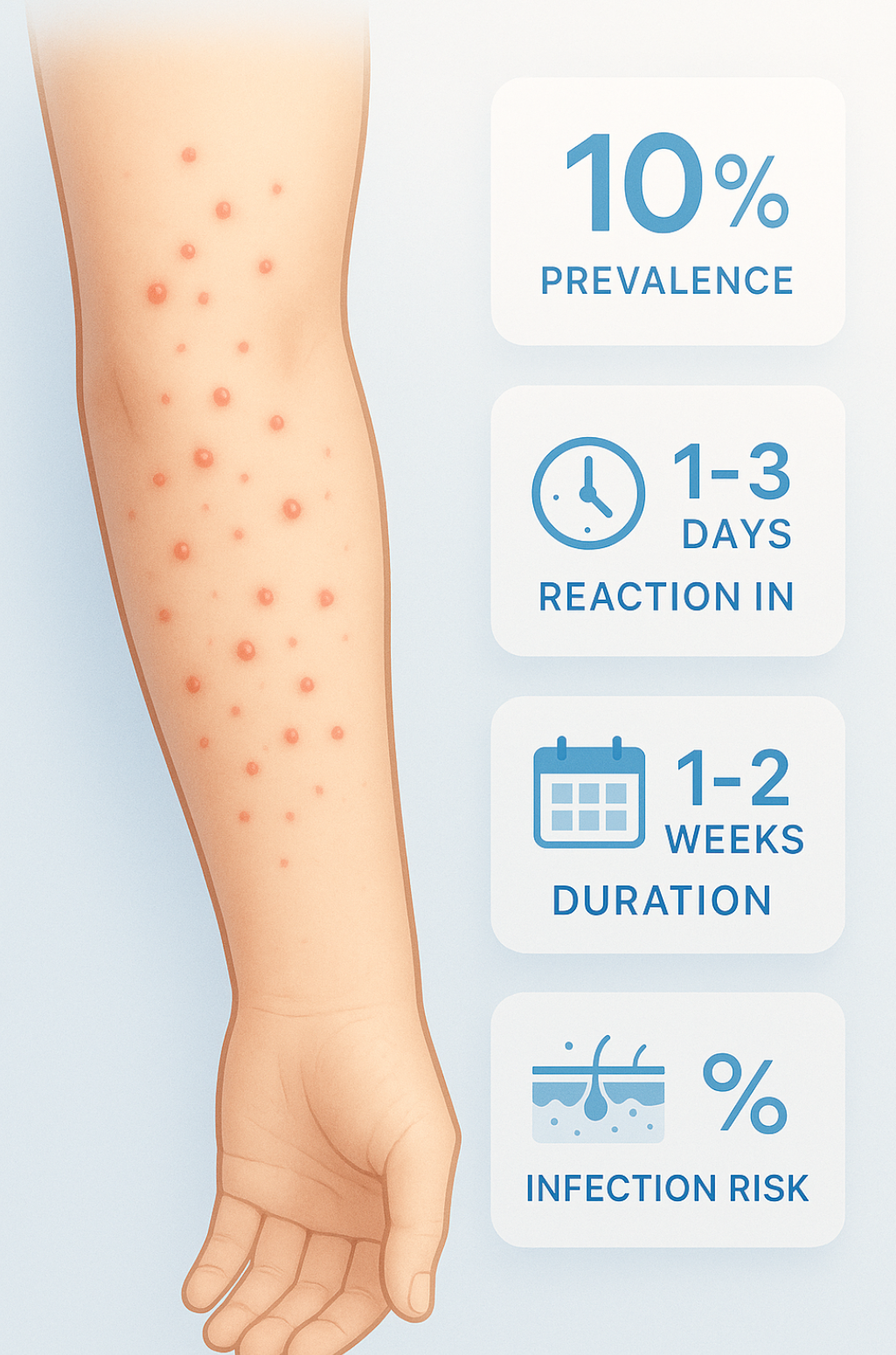
Prevalence of skin reactions

  • 70 to 90%: visible spots
  • 10 to 30%: no apparent reaction → infestations more difficult to detect

A person may be bitten without ever seeing any spots, which explains why some infestations remain invisible for several weeks.

Time taken for signs to appear

Generally between 4 and 48 hours after the bite
Sometimes up to 3 days in sensitive skin or in cases of local allergy

Healing time

Visible spots for 7 to 14 days
Up to 3 weeks if the allergic reaction is more severe

Secondary infection risks

5 to 10% of cases: skin infection due to scratching, never due to the bedbug itself
Types of infections: impetigo, irritation, small inflammatory lesions
Bedbugs do not transmit any diseases, according to the CDC, ANSES, and WHO.

Spread: how do bed bugs get into your home?

Contrary to popular belief, bed bugs never appear by chance. They do not spontaneously appear in clean or dirty homes: they travel with us, completely passively. Their spread depends on our mobility, our everyday objects, and exchanges between frequently visited places.

Understanding how they move allows us to better prevent infestations, adopt good habits, and identify the possible source of a problem.

Modes of spread: how do bed bugs move?

Bed bugs do not jump, fly, or live outdoors like mosquitoes. Their strategy is simple: hide in our belongings, then travel with us. Here are the main known vectors, explained in detail:

Luggage, suitcases, and clothing: Hotels, hostels, and Airbnbs are major points of spread.
An adult bed bug can slip into:

  • the lining of a suitcase,
  • the folds of a backpack,
  • clothes left on the floor.

Once brought home, it looks for a bed to feed on and settle down.

Used furniture and objects: Secondhand items are one of the highest risks.

  • sofas,
  • mattresses,
  • armchairs,
  • chest of drawers,
  • non-washable textiles.

A bedbug can remain dormant for several months, making the risk invisible.

Other modes of spread:

  • Moving and storage (via a poorly cleaned truck, unprotected furniture being transported, etc.)
  • Wall connections in buildings (behind baseboards, in technical ducts, via electrical outlets, etc.)
  • Bed bug treatment in a neighboring dwelling
  • Transportation, hotels, Airbnb
LocationRisk levelEssential advice
Travel (hotel, Airbnb)HighInspect bed + mattress seams; isolate suitcase
Second-hand purchaseVery highAlways inspect + treat with hot steam
Apartment buildingMedium to highMonitor baseboards, outlets, corners; monthly inspection
Single-family homeMediumSpot inspection; avoid clutter
Communal laundry roomLow to mediumKeep laundry in a bag until it goes into the machine
Frequent visitorsVariableIsolate coats and bags; monitor beds

Bed bugs spread solely through our movements and the objects we carry with us. They travel discreetly in luggage, clothing, second-hand furniture, or between apartments in the same building. Understanding how they spread allows us to adopt the right preventive measures: inspecting our belongings when traveling, being vigilant when buying second-hand items, cleaning our suitcases, and monitoring our bedrooms. A simple but regular routine is often enough to prevent an infestation.

bettwanzen auf reisen

Useful tools for inspecting bed bugs

  • Flashlight: Essential for viewing dark areas.
  • Magnifying glass: Very useful for locating eggs and molted skin.
  • Double-sided tape: Can discreetly trap bed bugs.
  • Bed bug-proof mattress cover: Reduces potential hiding places and makes detection easier.
  • AI identification app: An app can analyze a suspicious stain from a photo and provide an initial assessment (a tool for reassurance, not a professional diagnosis).

An identification app for bed bugs?

What are the most effective strategies against bed bugs?

Preventing bed bugs from appearing is often much easier than having to eliminate them after the fact. Bed bugs do not survive well in controlled environments, on clean surfaces, or with regular cleaning routines. By adopting a few simple habits—both at home and when traveling—you can significantly reduce the risk of introducing or spreading them.

At home

Reduce clutter

The fewer objects there are around the bed, the fewer hiding places bed bugs have.

  • Avoid piles of clothes on the floor.
  • Store objects in closed boxes.
  • Clear the space under the bed to make inspection easier.

Bed bugs move around and hide in objects that are lying around: a tidy environment greatly reduces the risk.

Vacuum baseboards and mattresses regularly

A vacuum cleaner is an excellent prevention tool. Vacuum:

  • along baseboards,
  • under the bed,
  • on the box spring,
  • on the mattress (both sides + seams).

Essential tip: immediately throw the vacuum cleaner bag in an outside trash can.

Install an anti-bedbug cover

A certified anti-bedbug cover:

  • prevents bedbugs from getting into the mattress,
  • traps those that are already there,
  • facilitates visual inspections.

This is one of the simplest and most effective forms of protection.

Avoid uninspected used furniture

Bed bugs like to hide in second-hand furniture.
Be careful with:

  • recycled mattresses,
  • box springs,
  • sofas,
  • upholstered furniture,
  • items found on the street.

If you buy second-hand:
→ inspect thoroughly,
→ use dry steam if possible,
→ avoid any furniture with dark stains, cracks, or suspicious marks.

While traveling

Travel is one of the main ways bed bugs spread.
A quick inspection of your room and careful handling of your luggage are enough to prevent them from coming home with you.

Place suitcases on a stand, never on the floor

Bed bugs love textiles and can easily climb up luggage.
Place your suitcase:

  • on a metal luggage rack,
  • in the bathroom (smooth tile floor),
  • or on a raised surface.

Never place luggage on the bed: this is the most common mistake.

Do not store anything in drawers

Hotel drawers can sometimes contain bed bugs hidden in the seams.
Keep your belongings:

  • in your suitcase,
  • in airtight bags,
  • or hanging in the closet (safer).

Inspect the bed before settling in.

A 20- to 30-second check is enough:

  • lift the sheet,
  • look at the seams of the mattress,
  • inspect the corners of the box spring,
  • check the headboard.

Look for: black spots, molted skin, red spots, live bed bugs.

When you return: check your suitcase in the bathroom.

The bathroom is the ideal place to inspect:

  • light-colored floor,
  • few hiding places,
  • bright light.

Open your suitcase, examine the pockets, and shake out your clothes before washing them.

Washing fabrics at 60°C or putting them in the dryer for 30 minutes is enough to eliminate any potential bedbugs.

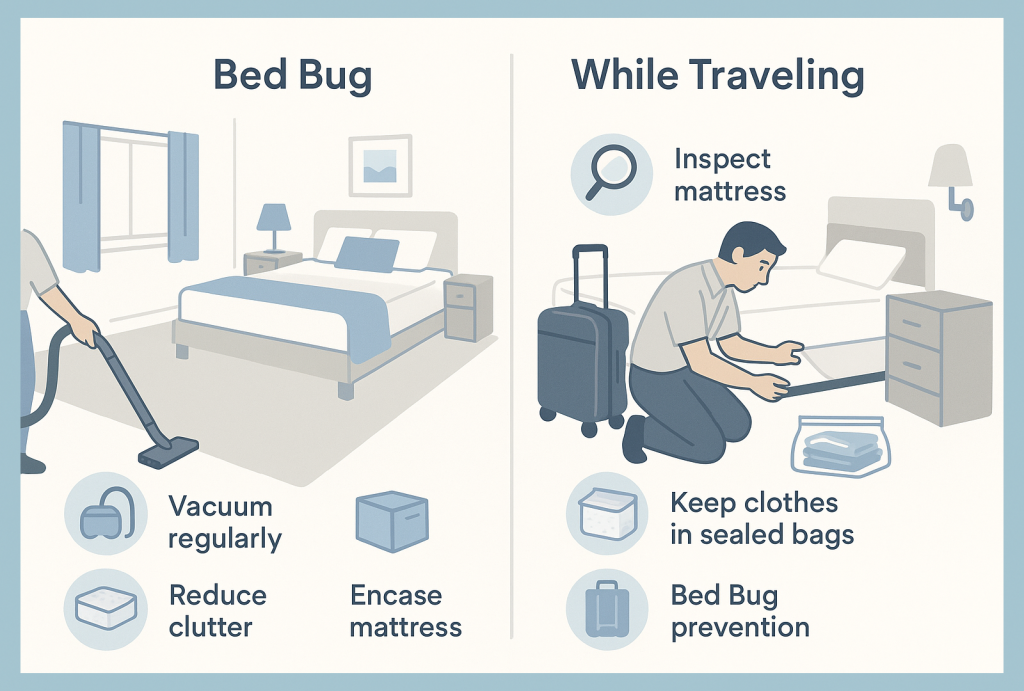
Prevention chart: Home vs. Travel

ContextRecommended actionsObjective
At home• Reduce clutter
• Regularly vacuum mattresses, box springs, and baseboards
• Install bed bug covers (mattress + box spring)
• Avoid uninspected/used furniture
• Regularly check the seams of the bed
Limit hiding places and prevent bed bugs from settling in
When traveling• Place your suitcase on a stand (never on the floor)
• Inspect the mattress and headboard upon arrival
• Do not store anything in drawers
• Keep your suitcase closed when not in use
• Upon return: check your suitcase in a bathroom
Avoid bringing bed bugs back in your luggage or clothing

When should you call a bed bug professional?

It becomes necessary to call in a professional when several signs coincide: regular, aligned bites upon waking up, the presence of clustered black spots resembling excrement, suspicious marks on bedding, or the discovery of a live bedbug. These situations generally indicate that the insects are nearby, especially if you live in an apartment building where bedbugs can move between units through baseboards, utility ducts, or cracks in the walls. Returning from a trip and then noticing suspicious marks is also a serious reason to inspect your home, as suitcases are one of the main ways bed bugs are brought into the home. Similarly, if you have tried a home remedy (steaming, cleaning, decluttering) without success and the signs persist, it is essential to call in a professional to prevent the infestation from spreading further.

However, it is generally not necessary to contact a specialist when only a single isolated sign is detected, such as a single pimple or spot, especially if there are no recurring bites or visible marks on the mattress or box spring. A simple concern without concrete evidence does not justify intervention: in this case, a calm and methodical inspection, followed by observation for 24 to 48 hours, is often enough to reassure you. The goal is to avoid panic and only call in a professional when several reliable factors point in the same direction.

The three key elements for acting calmly

bettwanzen weltweit

Identifying bed bugs

Learn how to recognize bed bug droppings, bites, and the most common signs of bed bug infestation.
chinches

Prevent effectively

Practical tips for reducing the risk of bed bugs at home, when traveling, in hotels, or in student accommodation.
chinches en los viajes

What should you do if in doubt?

A simple and reassuring plan to effectively combat bed bugs in your home, step by step.

Bed bugs are now a widespread reality, but they are often surrounded by myths, misconceptions, and excessive fears. This guide aims to set the record straight, based on scientific data, reliable observations, and practical recommendations. Knowing how to recognize bed bugs, their traces, their bites, and how they spread allows you to take action earlier, more effectively, and above all, without panicking.

In most situations, careful inspection, a good understanding of the signs, and simple preventive measures are enough to limit the risks. When several clues point to an infestation or when doubt persists, calling in a professional is a logical and responsible step, not a failure. Bed bugs are not related to hygiene or a lack of vigilance, and can affect all types of homes and travelers.

By staying informed, observing calmly, and using reliable resources, everyone can regain control of this issue. The goal is not to cause fear, but to provide the keys to understanding, identifying, and effectively preventing bed bugs, while preserving your quality of life and peace of mind on a daily basis.

To learn more about bed bugs

This guide has provided you with the essential basics for understanding, recognizing, and preventing bed bugs without panicking. If you would like to learn more about certain aspects, we offer other detailed articles to help you better understand the phenomenon on a global scale and adopt the right habits in your daily life.

Check out our articles on the global presence of bed bugs to understand why they now affect all countries and all types of accommodation, as well as our practical guide to protecting yourself from bed bugs when traveling, with simple tips on how to inspect your surroundings and avoid bringing them home with you.

These additional resources will enable you to take even more informed, calm, and effective action against bed bugs.

Bed bugs, a global problem

Bed bugs are now a common, widespread global problem. The risk is neither rare, shameful, nor exceptional.
The difference lies in:

  • early detection,
  • accurate information,
  • simple, calm actions,
  • and targeted intervention when necessary.

This is precisely the role of IdentifyBedBugs: to inform without causing panic.

Some global statistics on bed bugs

It is difficult to obtain perfectly harmonized figures at the global level, as the majority of infestations go unreported and official data varies from country to country.
However, available studies, health reports, home insurance surveys, and pest control company statistics reveal several solid trends.

Infestation rates in private homes (by region)

Region / CountryEstimated Share of Households Affected (over 10 years)Source / Method
United States1 household out of 10National Pest Management Association (NPMA)
Canada1 household out of 12Municipal data & pest control professionals
France1 household out of 20ANSES study – 2023
United Kingdom+25% annual increase since 2019British Pest Control Association
AustraliaRate multiplied by 4 over 15 yearsAustralian Environmental Health Survey
South AmericaNo centralized data – strong growth in urban areasLocal public health reports

In countries where bed bugs are closely monitored, it is estimated that 5 to 10% of households have been affected at least once in the last ten years, but experts believe that the actual figure is probably higher.

Over the past 10 to 15 years, data collected from public agencies, pest control associations and municipal reports show a steady global rise in bed bug infestations in private homes, with significant regional differences.

In the United States, surveys conducted by the National Pest Management Association indicate that around 1 in 10 households has experienced a confirmed infestation or strong suspicion within a ten-year period. Urban density, frequent travel and multi-unit housing are key contributing factors.

In Canada, estimates are slightly lower but comparable, with approximately 1 in 12 households affected over the same period. Municipal reporting systems and exterminator records suggest a concentration in large metropolitan areas, though smaller cities are increasingly impacted.

In France, national studies coordinated by ANSES estimate that about 1 in 20 households has encountered bed bugs in recent years. While major cities report higher rates, infestations are now documented across all regions, including suburban and rural areas.

In the United Kingdom, rather than a fixed prevalence rate, professional associations report a yearly increase of approximately 25% since 2019, indicating a rapid acceleration rather than isolated outbreaks.

In Australia, long-term environmental health surveys show that infestation rates have been multiplied by four over the last 15 years, with private residences now accounting for the majority of reported cases, surpassing hotels.

For South America, no centralized data exists. However, local public health reports and expert assessments confirm a strong upward trend in large cities and tourist hubs, with significant underreporting due to limited access to professional services.

to continue reading

When traveling: How can I inspect my accommodation?

Traveling is synonymous with discovery, relaxation, and enjoyment. However, one fear often arises: encountering bed bugs in a hotel, Airbnb, or hostel. These small insects, increasingly present in Europe and tourist areas, can hide in mattresses, armchairs, luggage, and more, and discreetly slip into your home when you return.

The good news is that there are a few simple, calm steps you can take to inspect your accommodation in 30 to 60 seconds, without stress and without turning the whole room upside down.

A year-on-year increase in infestations

The data shows an almost continuous increase:

  • +71% of interventions in France between 2020 and 2023 (ANSES)
  • +73% of cases reported in major US cities since 2015
  • +400% increase in Australia since the 2000s
  • Steady growth recorded in Brazil, Argentina, and Chile (according to local health services)

Why this increase?

  • Increase in international travel
  • Growing resistance to insecticides
  • Dense urbanization
  • Uninspected second-hand purchases
  • Lack of information among individuals

Percentage of introductions by source

Likely SourceEstimated Percentage
Travel accommodation (hotels, Airbnb, hostels)45%
Second-hand furniture / clothing22%
Visitors / transported personal items15%
Public transportation10%
Spread between apartments (shared buildings)8%

Where do individuals encounter bed bugs?

Most common places of introduction into a home

  • hotels/Airbnb
  • transportation (airplanes, buses, night trains)
  • schools and student residences
  • cinemas/theaters
  • secondhand furniture and clothing
  • neighboring dwellings (buildings)

Continue reading

Popular Tags

Questions? - Everything you need to know about bed bugs

How can you recognize bed bugs?

Bed bugs are visible to the naked eye (4 to 7 mm), oval-shaped and reddish-brown. Their presence is mainly detected by small black dots (feces) on the mattress, bites often lined up on the skin, and sometimes whitish molts or eggs near the bed.

No. Unlike other insects such as fleas, bed bugs do not jump or fly. They move only by crawling, but they can do so quickly when looking for a hiding place or food source. Their ability to squeeze into very small cracks explains why they hide so easily in the seams, folds, or crevices of furniture.

No. To date, no scientific studies have shown that bed bugs transmit diseases to humans. The main risk is related to skin reactions: itching, inflammation, or irritation caused by bites. In some cases, excessive scratching can lead to secondary infection, but it is not the bug itself that is responsible—only the skin’s reaction.

Treatment is simple and mainly aims to relieve discomfort:

Wash the area with soap and water to reduce bacteria and soothe the skin.
Apply a soothing cream (such as a calming cream, aloe vera gel, or calendula cream).
In case of a strong reaction or severe itching, an antihistamine or a mild corticosteroid cream may be recommended (ask a pharmacist for advice).

The bites usually disappear within a few days.

Yes, bed bugs are visible to the naked eye, but their small size and tendency to hide can make them difficult to spot.

What do they look like?

Size: Adult bed bugs measure 4 to 7 mm (about the size of an apple seed).
Color: Reddish to brown after feeding on blood, lighter (yellowish) when fasting.
Shape: Oval and flat (like a lentil), wingless.
Nymphs (young): Smaller (1 to 4 mm), translucent or yellowish, almost invisible on a light-colored sheet.

Contrary to popular belief, bed bugs do not come out because they “know” you are asleep, nor because they can detect your heartbeat. Scientific research shows that they actually respond to a combination of very specific biological and environmental signals. The main factor is the carbon dioxide (CO₂) we exhale. When a human being is immobile, at rest or asleep, their breathing becomes regular and constant, creating a stable flow of CO₂. Bed bugs are extremely sensitive to this gas, which is the most reliable signal for them that a host is nearby.

Added to this is body heat. Bed bugs are able to detect temperature variations and are naturally attracted to a localized and stable heat source, such as that of a lying human body. A warm, immobile body is an ideal target, much easier to reach than a moving person. Body odors also play a role. Human skin naturally emits chemical compounds from sweat and metabolism, to which bed bugs can react. These odors vary from person to person, which explains why some people seem to get bitten more than others.

Finally, bed bugs’ nocturnal behavior can also be explained by their aversion to light. They are said to be lucifugous: they flee bright environments and are more active in the dark, which allows them to move more discreetly, avoid disturbances, and reduce the risk of being detected. They therefore mainly come out at night as a survival and efficiency strategy, and not because they are able to consciously identify human sleep.

© All Rights Reserved. © Tous droits réservés. © Todos los derechos reservados. © Alle Rechte vorbehalten.

Scroll to Top