Traveling is synonymous with discovery, relaxation, and enjoyment. However, one fear often arises: encountering bed bugs in a hotel, Airbnb, or hostel. These small insects, increasingly prevalent in Europe and tourist areas, can hide in mattresses, armchairs, luggage, and more, and discreetly make their way into your home upon your return.
The good news is that a few simple, calm steps are all it takes to inspect your accommodation in 30 to 60 seconds, without stress and without turning the whole room upside down. Here is a comprehensive, clear, and reassuring guide to traveling with peace of mind.
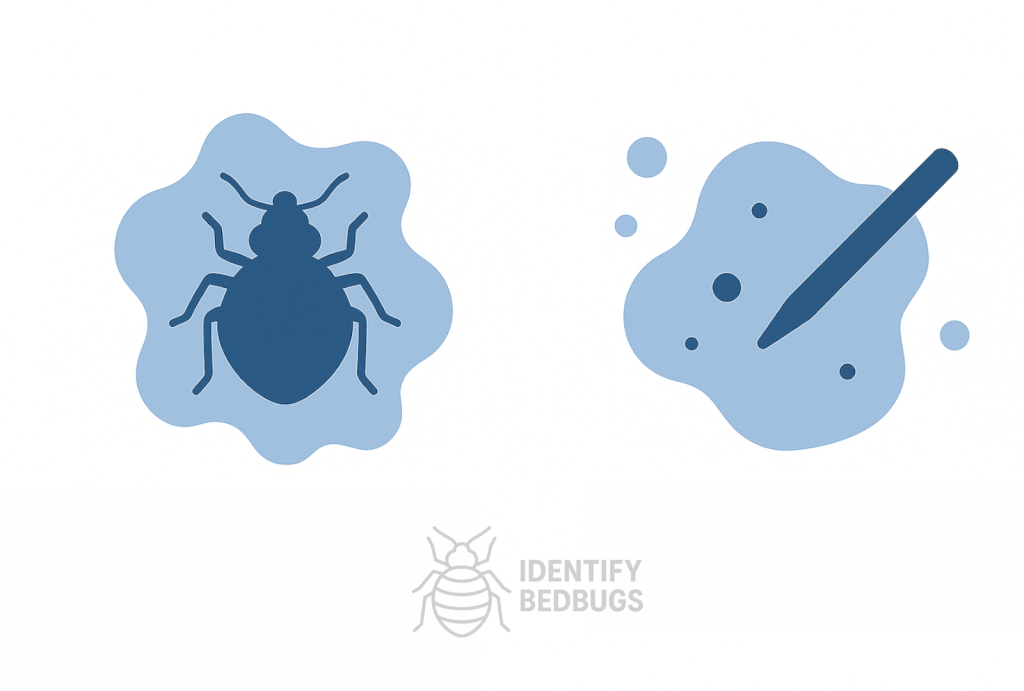
Bed bugs (Cimex lectularius) are nocturnal insects that feed on human blood. They bite, move quickly through fabrics, and can cause:
severe itching,
allergic reactions in some people,
sleep disturbances,
an infestation in your home if they travel with you in your luggage.
Some global statistics
It is difficult to obtain reliable, verifiable, and comparable data for global statistics on hotels/accommodations infested with bed bugs because they are rarely available—or at least rarely published publicly. Nevertheless, here is what we do know:
In summary, bed bugs are now a global problem, found in all types of accommodation (from dormitories to 5-star hotels). The key is not to panic, but to adopt a simple and calm inspection routine every time you travel.
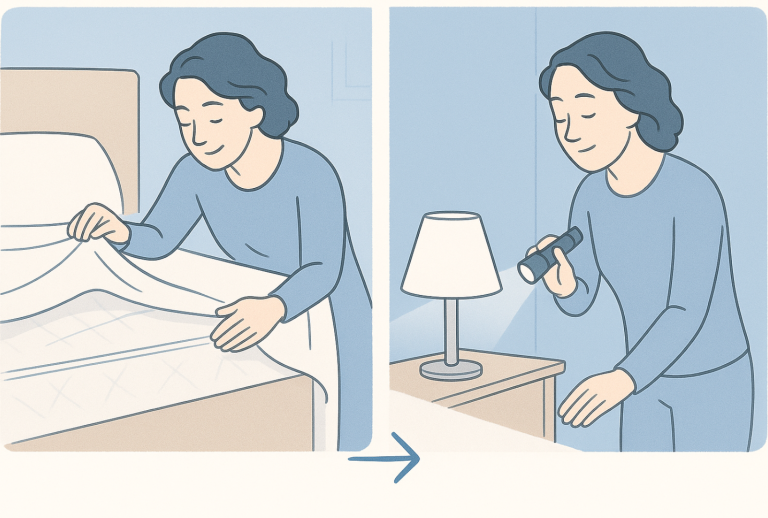
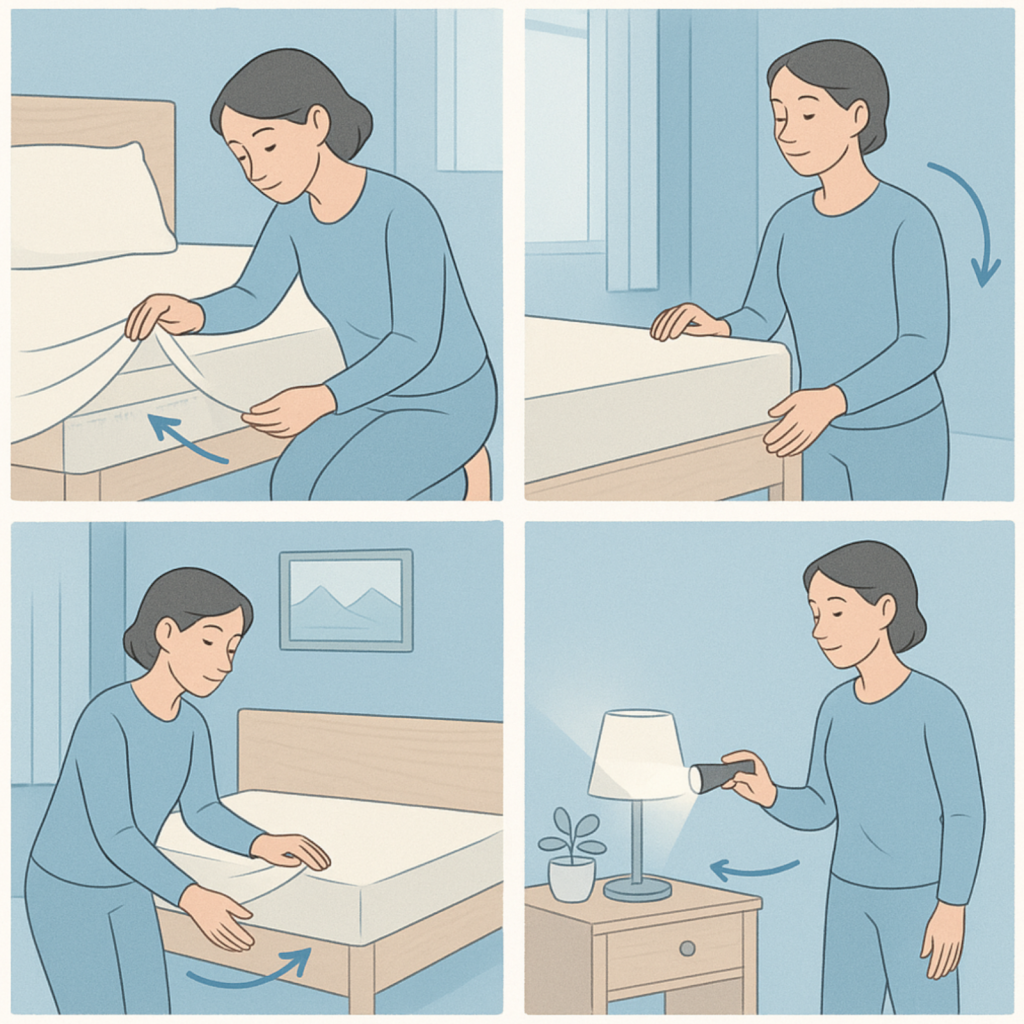
It is recommended that you carry out a quick inspection:
When you arrive, before putting down your suitcase or unpacking your clothes, place your belongings on:
a luggage rack,
a table,
or the bathroom floor (tiled surfaces are less conducive).
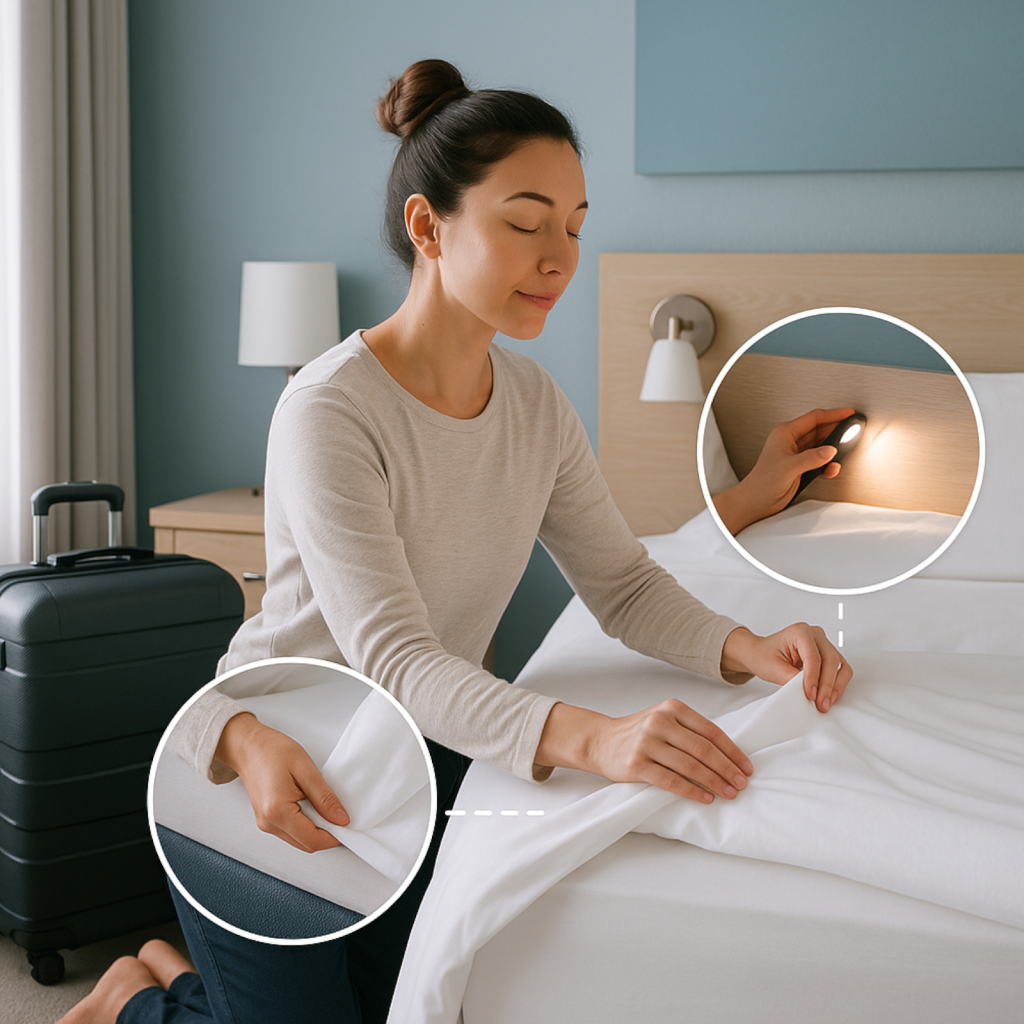
You can then begin inspecting your hotel room for bed bugs.
After several nights, if you notice itching, spots, or unusual behavior, don’t hesitate to check again.
Also, carry out another inspection when changing rooms or in the event of high guest turnover.
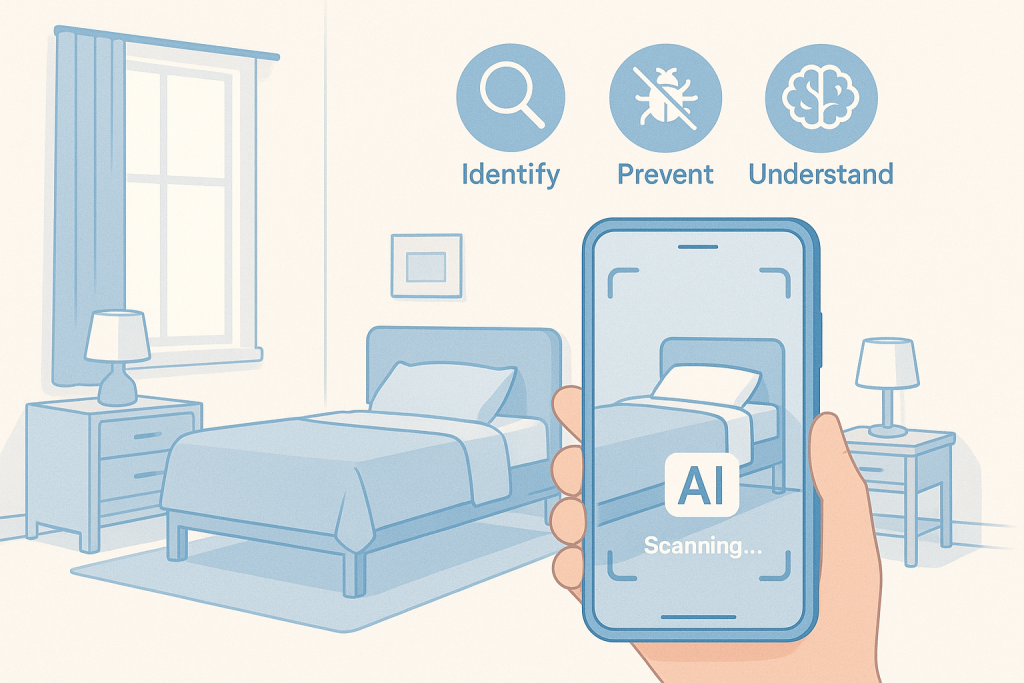
If you notice any suspicious stains, use a bed bug detection app. Learn more
| Area to Inspect | Typical Signs |
|---|---|
| Mattress / seams / box spring | Black spots (droppings), white eggs (≈1 mm), translucent shed skins, live bed bugs |
| Headboard / bed frame | Cracks, screws, crevices, dark stains |
| Sofa / armchairs | Seams, folds, under cushions |
| Curtains / thick textiles | Hems, folds, attachment points |
| Personal luggage | Seams, pockets, zippers, linings |
Protecting your luggage effectively is one of the simplest ways to avoid bringing bed bugs home with you. The good news is that it doesn’t require any special equipment and is mainly based on a few easy habits to adopt on a daily basis, whether you’re staying in a hotel, Airbnb, hostel, or with a friend or family member.
Store your clothes in zippered bags or large freezer bags. This creates a physical barrier against bedbugs and prevents them from getting into your clothes. It’s one of the most reliable ways to travel with peace of mind, especially in hostels or on long journeys.
An open suitcase is an ideal hiding place for bed bugs. Remember to always close your luggage, even if you are only leaving it unattended for a few minutes. This greatly reduces the risk of insects settling in discreetly.
Metal luggage racks are travelers’ best friends: they are high up, smooth, and much more difficult for bedbugs to colonize. Avoid the floor, carpets, and especially beds as much as possible.
Bed bugs are particularly attracted to worn clothing. To prevent them from finding refuge there, place all your dirty clothes in a sealed plastic bag until you are ready to wash them. When you return, wash everything at 60°C if possible.
The bed is the main place where bedbugs gather. Leaving your clothes on the duvet or pillows increases the risk of insects settling there. Instead, use a hanger, chair, or corner of the bathroom, which are less attractive surfaces for pests.
This is a mobile app that uses artificial intelligence to analyze a photo (stain, insect, suspicious mark) and indicate whether it resembles a bedbug, excrement, or something else common.
The most important rule: stay calm.
A single stain does not mean infestation.
For a simple protocol to follow, see our comprehensive guide:
→ “What to do if in doubt?”
You will learn:
No. Unlike other insects such as fleas, bed bugs do not jump or fly. They move only by crawling, but they can do so quickly when looking for a hiding place or food source. Their ability to squeeze into very small cracks explains why they hide so easily in the seams, folds, or crevices of furniture.
No. To date, no scientific studies have shown that bed bugs transmit diseases to humans. The main risk is related to skin reactions: itching, inflammation, or irritation caused by bites. In some cases, excessive scratching can lead to secondary infection, but it is not the bug itself that is responsible—only the skin’s reaction.
Treatment is simple and mainly aims to relieve discomfort:
Wash the area with soap and water to reduce bacteria and soothe the skin.
Apply a soothing cream (such as a calming cream, aloe vera gel, or calendula cream).
In case of a strong reaction or severe itching, an antihistamine or a mild corticosteroid cream may be recommended (ask a pharmacist for advice).
The bites usually disappear within a few days.
Yes, bed bugs are visible to the naked eye, but their small size and tendency to hide can make them difficult to spot.
What do they look like?
© All Rights Reserved. © Tous droits réservés. © Todos los derechos reservados. © Alle Rechte vorbehalten.